
If you’ve ever found yourself wanting to believe in God but struggling to get there — I understand. I wanted to believe in God too. I really did.
I grew up in church. I memorized the right verses. When people asked if I was a Christian, I said yes — and I meant it, or at least I meant to mean it. But underneath that answer was something I couldn’t quite shake: a quiet, persistent feeling that I wasn’t sure any of it was true. Not in my bones. Not in the place where it would actually change something.
That gap — between wanting to believe and actually believing — is one of the loneliest places I’ve ever been.
When Wanting to Believe in God Isn’t Enough
If you’ve ever sat in a church service, nodded along to a sermon, sung the songs — and still felt like you were watching from behind glass — you know what I mean. It’s not that you’re rebellious. It’s not that you don’t care. It’s that something inside you hasn’t made the leap from intellectual possibility to genuine trust.
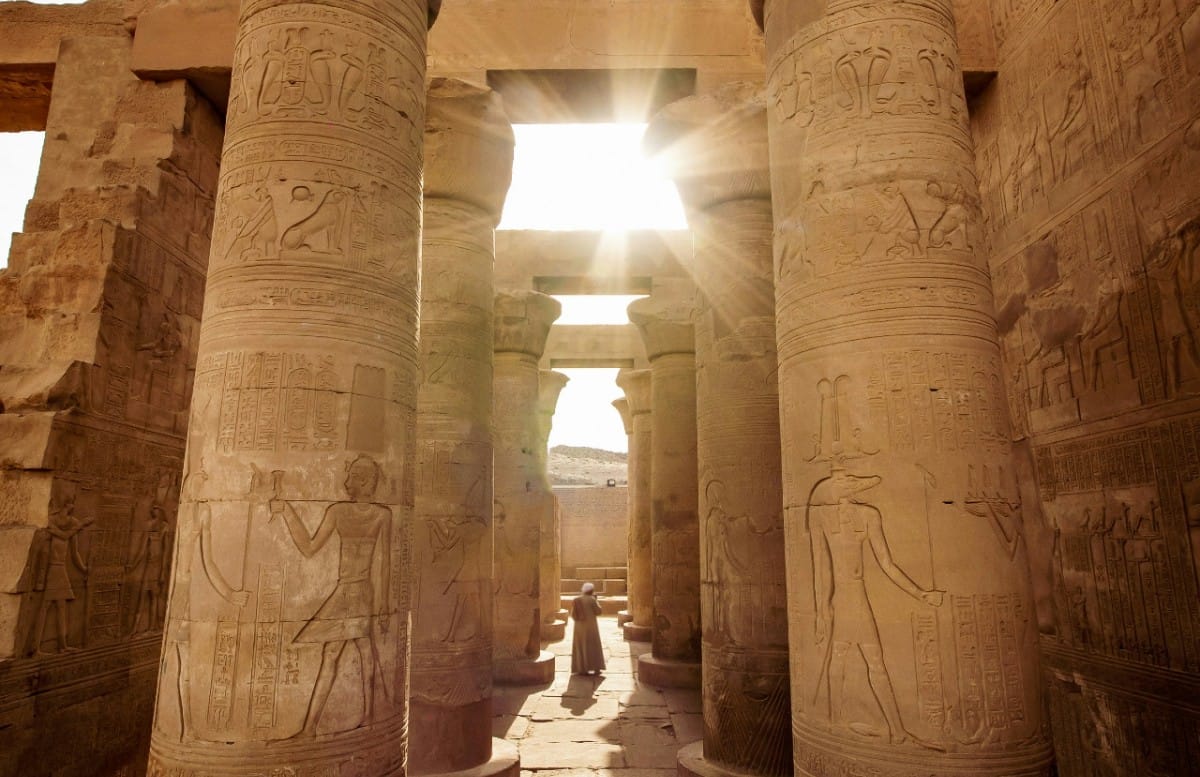
In our most recent episode of Barriers to Belief, Carey Walton, Ph.D. and I talk through the archaeological evidence that helped me personally begin to trust the scriptures. (If you’re in that “I need reasons before I can take a single step” season, go listen — the historical data is genuinely compelling.) But there’s a part of that conversation that didn’t make it into the episode title, and I think it might be the most important part: evidence can open a door, but it can’t walk you through it.
Why Wanting to Believe in God Feels Impossible
When I look back honestly at my years of struggling to believe, I can see now that my deepest problem wasn’t intellectual. I didn’t just need more data about the Bible. I had a trust problem — one that showed up in every close relationship in my life, not just my relationship with God.
Trusting someone you can see is hard enough. Trusting someone you can’t see, can’t hear, can’t touch — and whose character you’re learning entirely through a text written thousands of years ago — that’s a different challenge altogether. It layers the question of “Is this God real?” on top of an older, deeper question: Is it safe to trust at all?
For a lot of us, that older question has been shaped by very real experiences. People who were supposed to be safe weren’t. Disappointments that taught us to keep our guard up. A slow accumulation of evidence — personal, not archaeological — that trusting leads to getting hurt.
And then someone asks you to trust an invisible God. Of course it’s hard.
What the Bible Actually Says About Doubt and Faith
We’re told in scripture to have faith like a child, and I think most people hear that as “stop asking questions.” Just believe. Don’t overthink it. Naive faith is the goal.
But if you’ve ever spent five minutes with an actual child, you know that’s not what they do. Children are relentless questioners. Why? But why? But what does that mean? But why though? They’re not passive receivers of information — they actively press in, they test, they explore. What they don’t do is hold their hearts back while they’re doing it.
That’s the kind of faith I think God is after. Not the kind that shuts questions down, but the kind that brings them forward. Openly. With the real possibility that the answers might change something in you.
The question isn’t whether your doubt is too big. The question is whether you’re bringing it to God — or just holding onto it as a reason to stay behind the glass.
The Evidence and Emotional Path to Believing in God
Here’s what I’ve learned through my own journey and through years of coaching people through theirs: the path forward is almost never purely intellectual or purely emotional. It’s both.
You ask the hard questions. You look at the evidence. And as you find answers, you make a small decision: I’m going to trust this, just a little. Not throw the doors open. Not pretend the fear isn’t there. Just let a little more of yourself lean in.
Then you get more answers. And you lean in a little more.
That’s not weakness. That’s actually what a relationship looks like — any relationship. You don’t hand someone your whole heart on day one. You extend a little trust, they prove faithful, you extend a little more. God is patient enough to meet you in that process. I’ve seen it too many times to doubt it.
What To Do When You Want to Believe in God But Can’t
I’ve worked with people who have been asking questions and gathering evidence for a long time. They love the conversations. They find the archaeology fascinating. But something always holds them back from taking the next step emotionally.
If that’s you, I’d gently say: the roadblock probably isn’t that you haven’t found the right piece of evidence yet. It may be that trust itself feels like the dangerous thing. And if that’s true, that’s worth looking at — not as a flaw, but as the actual barrier to work through.
That’s exactly the work I do in one-on-one coaching and in our seminars. Not just answering intellectual questions, but helping people figure out what’s actually keeping them from taking the next step — and walking with them through it.
If you’re in that place, I’d love to talk. There’s no pressure and no obligation — just a conversation about where you are and whether there’s something I can help with.
Watch Episode 2 of Barriers to Belief:
Written by Kristen Davis, Ph.D. | Founder, DoubtLess Faith